About Sodium Sulphate
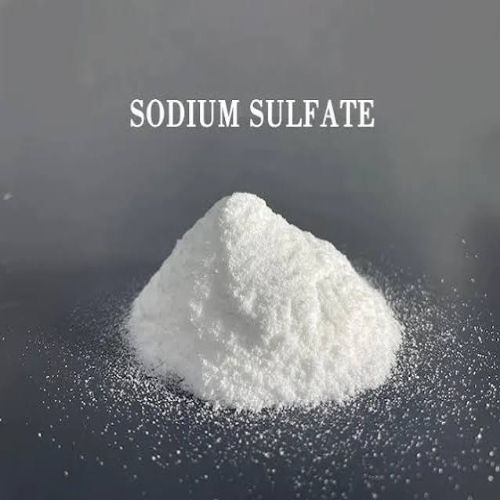
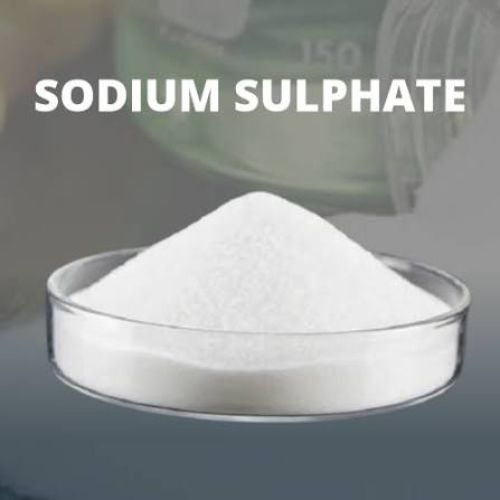
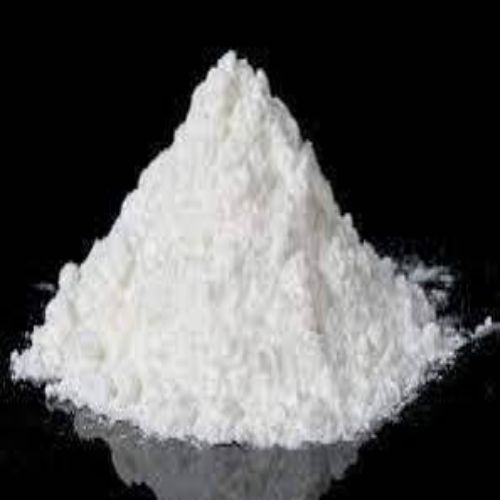
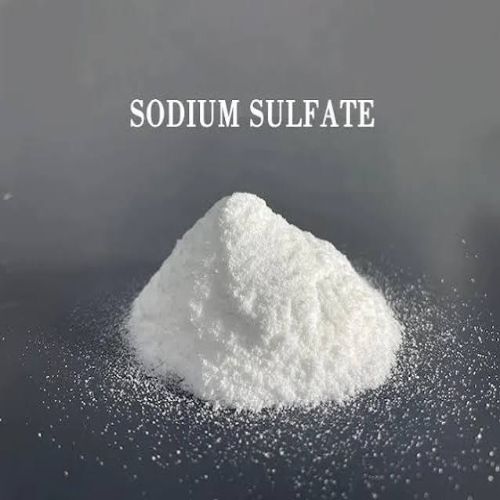
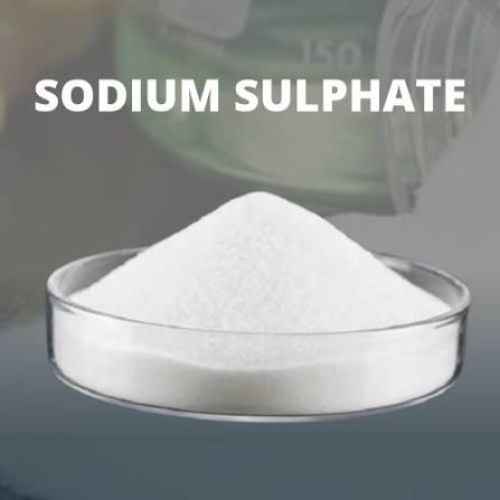
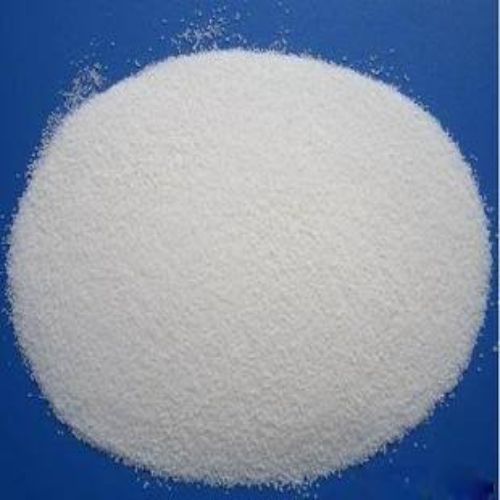
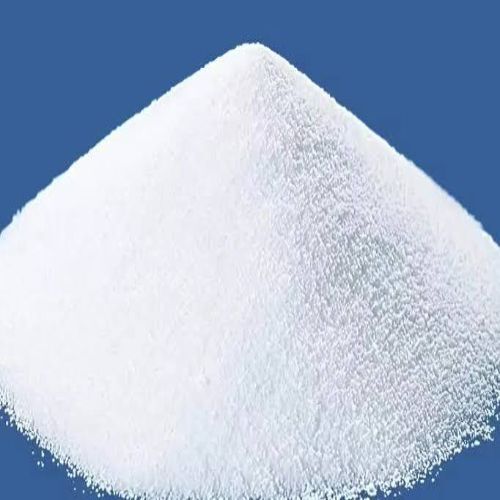
Drashti Tradings supplies high-purity Sodium Sulphate Anhydrous ($text{Na}_2text{SO}_4$) in industrial-grade powder and granular form. Widely used as a vital raw material and processing aid across detergent, glass, textile dyeing, paper & pulp, and chemical manufacturing sectors, our product ensures high solubility, consistent batch quality, and optimal formulation efficiency.
Product Specifications:
| Parameter |
Specification / Value |
| Chemical Name |
Sodium Sulphate Anhydrous |
| Chemical Formula |
$text{Na}_2text{SO}_4$ |
| CAS Number |
7757-82-6 |
| Purity / Active Content |
99% Min (Industrial Grade) |
| Physical Appearance |
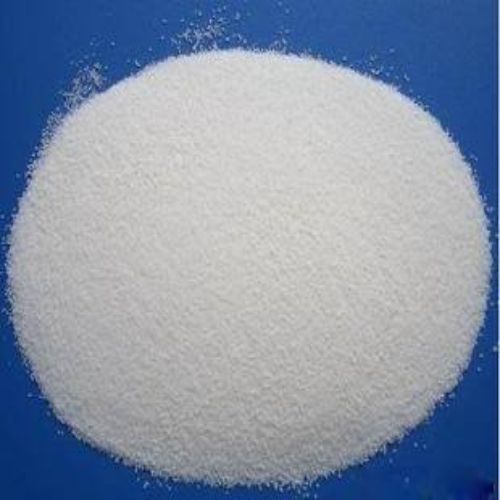
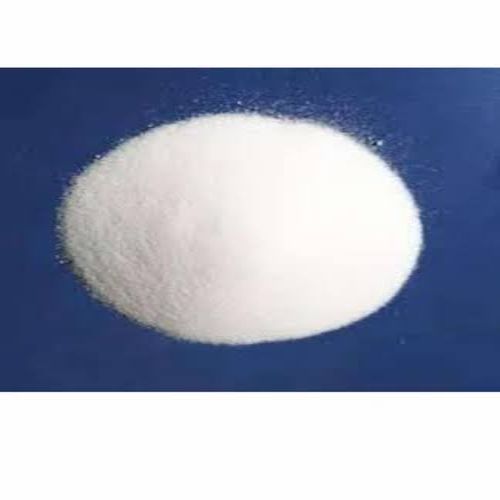
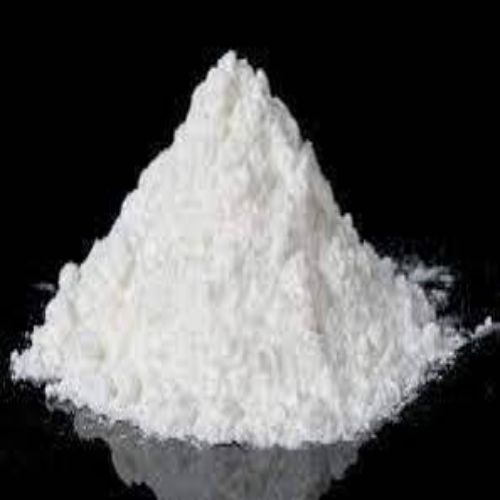
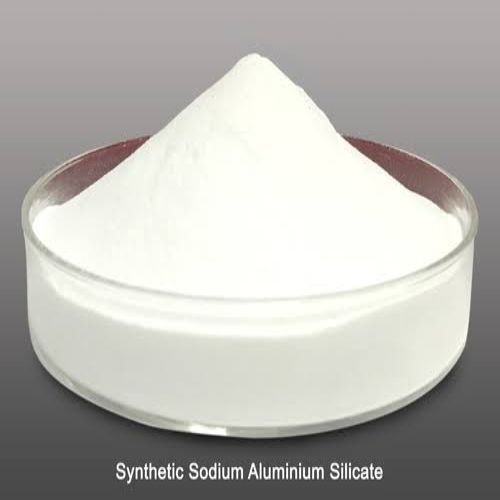
Fine White Crystalline Powder / Free-Flowing Granules |
| pH (10% Solution) |
6.0 8.0 (Neutral) |
| Solubility |
Highly Soluble in Water |
| Grade Standard |
Technical / Industrial Grade |
| Packaging Type |
25 kg / 50 kg HDPE Bags with inner PE Liner |
Key Features & Benefits:
-
High Chemical Purity: Minimum 99% active content with minimal moisture and impurites.
-
Excellent Water Solubility: Dissolves rapidly without leave residue, ensuring smooth chemical processing.
-
Inert Filler & Levelling Agent: Serves as a neutral processing aid in powder detergent formulations and textile dye baths.
-
Consistent Batch Quality: Rigorously tested for purity, particle size, and stability under dry storage conditions.
Industrial Applications:
-
Detergents & Soaps: Acts as an inert filler/builder in powdered washing detergents to regulate bulk density and flowability.
-
Textiles & Dyeing: Used as a dye levelling and exhausting agent to promote even dye penetration into fibers.
-
Paper & Pulp: Employed in the Kraft pulping process for wood pulp processing.
-
Glass Manufacturing: Utilized as a refining/fining agent to remove air bubbles from molten glass.
-
Chemical Synthesis: Serves as an inert drying agent for organic liquids and a raw material in specialty chemical processing.
Versatile Industrial ApplicationsSodium sulphate is an essential ingredient across industries such as detergent and paper manufacturing, glass production, and textile processing. Its high purity and stable nature ensure reliable results in diverse industrial environments. The substance's robust solubility in water and neutral pH make it suitable for both chemical reactions and formulation blending.
Exceptional Stability and Shelf LifeWith its crystalline, non-porous structure, sodium sulphate remains stable under normal handling and storage conditions. It features a long shelf life when kept away from moisture and acids, safeguarding quality during extended storage. This reliability makes it a trusted choice for large-scale manufacturing and supply chains.
Handling and Storage RecommendationsTo maintain its high quality, sodium sulphate should be stored in cool, dry locations, away from moisture and acidic materials. Its powder and granule forms are non-hazardous under typical storage, provided the product remains sealed after use. Observing these simple precautions ensures consistent product performance over time.
FAQ's of Sodium Sulphate:
Q: How is sodium sulphate typically used in manufacturing industries?
A: Sodium sulphate is widely employed in the production of detergents, pulp and paper, glass, and textiles. It functions as a filler in detergents, a processing aid in paper pulping, and helps regulate chemical compositions during glass and textile manufacturing.
Q: What are the benefits of using sodium sulphate in industrial applications?
A: Sodium sulphate offers excellent solubility, chemical stability, high purity up to 99%, and a neutral pH. These characteristics make it a reliable component for consistent processing, ease of dissolution, and blending with other substances without adverse reactions.
Q: When should sodium sulphate be stored with extra caution?
A: Sodium sulphate should be stored with care in cool, dry conditions, particularly avoiding exposure to moisture and acids, to prevent clumping, degradation, or unwanted chemical reactions that could compromise product quality.
Q: Where should sodium sulphate be stored to maintain its stability?
A: It is best stored in a cool, dry place, ideally in a sealed container and away from sources of moisture and acidic materials, to preserve its shelf life and prevent contamination or caking.
Q: What is the recommended process for dissolving sodium sulphate in water?
A: Dissolution is straightforward due to its high solubility; simply introduce the powder or granules into water at room temperature and stir until fully dissolved. The process is efficient and rapid, with up to 19.5 g dissolving per 100 ml of water at 20C.
Q: Can sodium sulphate be used in food or pharmaceutical products?
A: While sodium sulphate is used mainly in industrial applications like detergents, paper, glass, and textiles, specialized grades with appropriate certification may be required for food or pharmaceutical use. Always consult regulatory standards and suppliers for guidance on such applications.




 Send Inquiry


 Send Inquiry
